
Who's Online
We have 1 guest onlineStatistics
Content View Hits : 93299The Stroudwater Textile Trust was established in 1999 as successor to the Friends of Stroud Museum Textile Group. A group of local people wanted to promote awareness of the past importance of the woollen industry in the Stroud Valleys and to celebrate contemporary textiles.
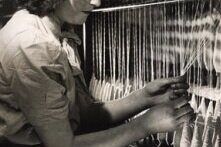
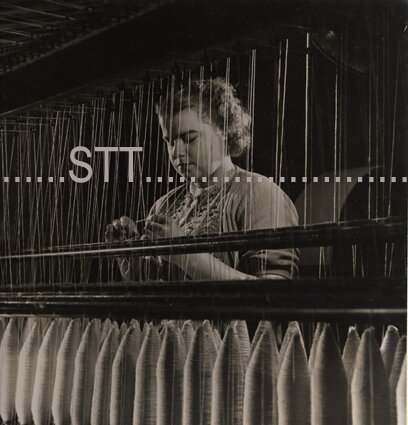
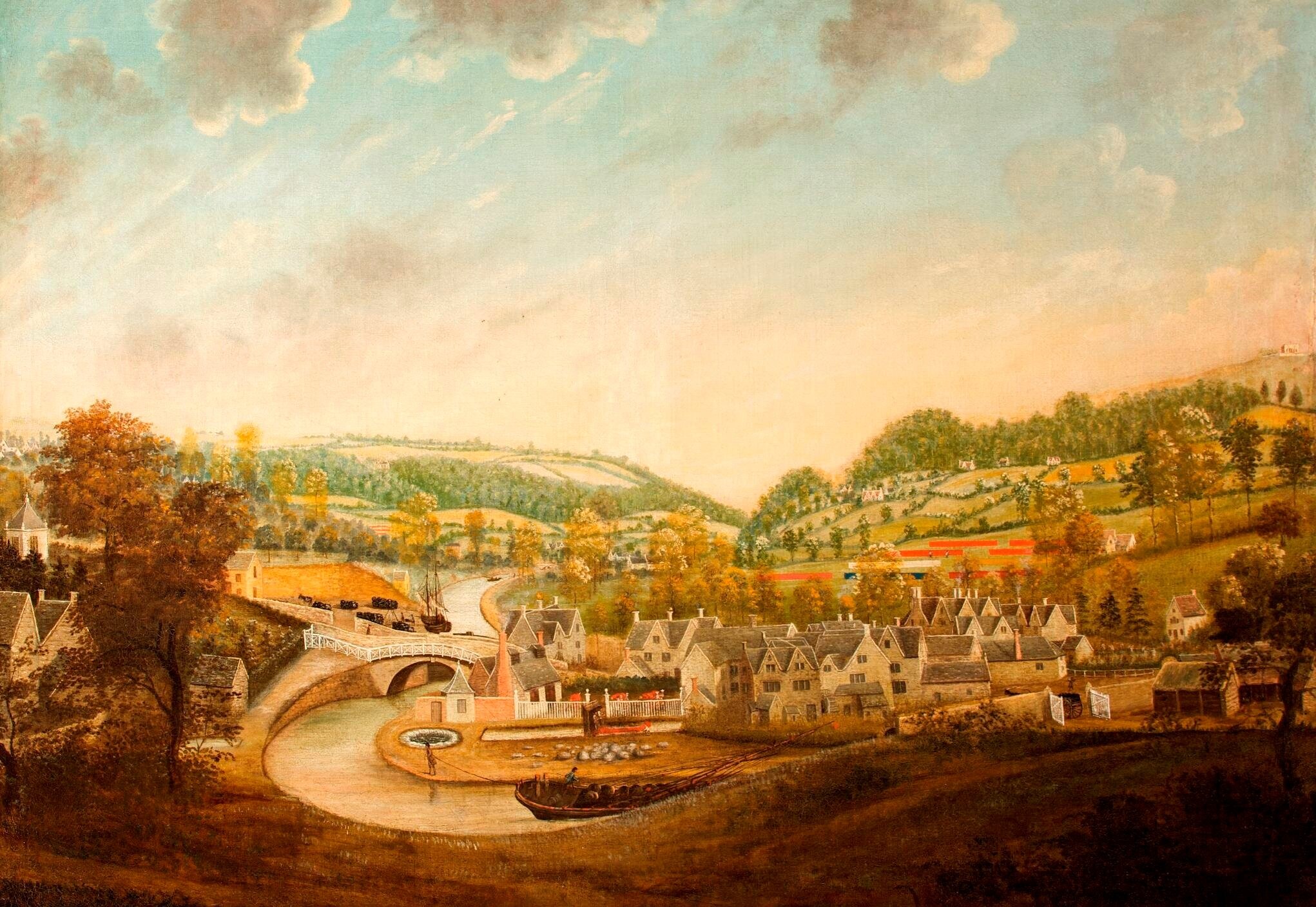
Historically woollen cloth manufacture has been important in the Stroud valleys since medieval times. The local streams are dotted with mill sites and their courses have been straightened and interrupted with weirs and millponds over the ages. Towns like Stroud and Nailsworth developed because of the industry while more ancient foundations like Cirencester, Dursley, Painswick, Tetbury and Wotton under Edge prospered. Besides British markets the cloth was sold to Europe, the Native Americans and Asia in such large quantities that at one time there were over 170 mills working.
There are 3 opportunities to visit the Weaving Shed at Gigg Mill and experience weaving through the centuries from simple handloom to flying shuttle to power loom. All the dates are Saturdays from 10 am. to noon. You need to be there by 11.00am to fully appreciate the experience:
- 10th January 2009
- 14th February 2009
- 14th March 2009
| Dunkirk Mill & Gigg Mills | Saturdays | Sundays | Wednesdays | Bank Holidays |
|---|---|---|---|---|
| April | 25 | 26 | ||
| May | 2 | 4 | ||
| 16 | 17 | 27 | 25 | |
| June | 6 | 7 | ||
| 20 | 21 | 24 |
The Dunkirk MillCentre offers a wonderful opportunity to see a see a massive working water wheel directly powering a rare piece of historic textile machinery. The overshot wheel, twelve feet wide and thirteen feet in diameter, was installed in the mill in 1855 as part of the last major re-building programme carried out during its time as a woollen mill. It was made and installed by James Ferrabee of Stroud having a mainly cast iron frame with forty steel buckets. The wheel is operated regularly on opening days, (subject to water supply), and the sight of the wheel starting to move in a powerful cascade of water is unforgettable.
There is also the chance to see a large working model pair of fulling stocks in operation, a display of locally made woollen cloth and a rare, working, mid C19th teazle raising gig.An early C19th mechanical cloth shearing machine known as a cross-cutter has been added to the display, this machine spent its working life at Wallbridge Mill down the valley near Stroud. There is an exhibition showing the historic development of the Dunkirk Mills site during the C18th and C19th on display.
New members are always welcome! Benefits include the annual news-sheet Warp & Weft which features items of textile industry interest; advanced notice of events run by the Trust; some reduced fees and the opportunity to become involved in the Trust's projects. The Trust promotes awareness both of the long established industry that shaped the communities and landscape of these beautiful valleys and of contemporary textiles.
Our membership includes people who worked in the industry, textile artists, historians and people who are simply fascinated by the story that can be told. There is the opportunity to run machinery, demonstrate your own textile skills, learn and research the history of the area and to share in the activities of an active and innovative group.
For more details see under "About Us" from the main menu.
Dunkirk Mill Centre visits
The Trust places great value on its educational role. Special visits for school parties can be arranged to the Dunkirk Mill Centre through the spring summer and autumn. There is material in the engineering, history and gallery sections of the site which may be helpful in the preparation of project work on the Stroudwater woollen industry or the industrial revolution more generally.
For more details about school visits please contact Ian Mackintosh. using the details to be found under "Contacts".